







Introduction
In the ever-evolving architectural industry, the demand for innovative materials and processes is paramount. Among these advancements, architectural aluminum coatings have emerged as a critical component in enhancing the aesthetic and functional attributes of various structures. Companies like ACL (Architectural Coating Limited) are at the forefront, providing high-quality aluminum coatings that meet stringent standards such as AMMA 2603, 2604, and 2605, while also adhering to environmentally friendly practices. This essay delves into the applications, benefits, and advancements of architectural coatings, particularly focusing on ACL’s offerings.
The Importance of Architectural Coatings
Architectural coatings serve multiple purposes, including aesthetic enhancement, protection against environmental factors, and longevity. They are employed in various applications, from residential to commercial buildings, enhancing both visual appeal and structural integrity. The architectural industry increasingly recognizes that the right coating can significantly impact a building’s lifecycle, maintenance costs, and overall sustainability.
Key Applications
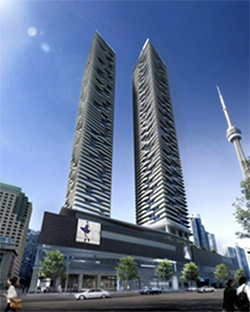
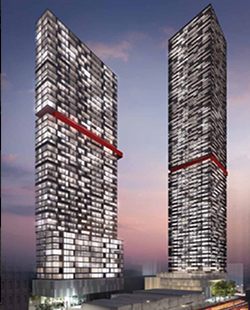
ACL’s coatings are utilized across a wide range of architectural elements, including:
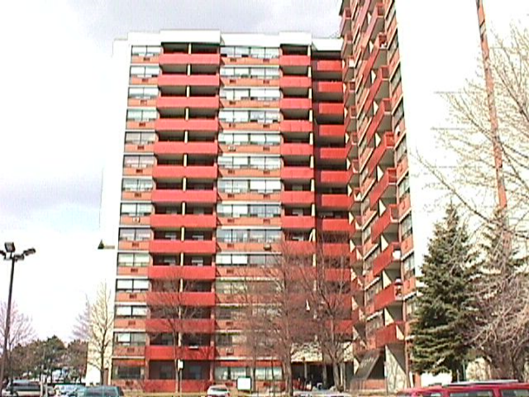
- Balconies and Railings: These components require coatings that not only withstand weather but also maintain their appearance over time.
- Skylights: Coatings enhance light transmission while providing protection against UV degradation.
- Window Frames: The aesthetic quality and durability of window frames can significantly influence the overall look of a building.
- Curtain Walls: These non-structural outer walls benefit from coatings that ensure longevity and minimal maintenance.
- Storefronts and Malls: High-traffic areas demand coatings that resist wear and maintain a polished look despite constant use.
The ACL Advantage
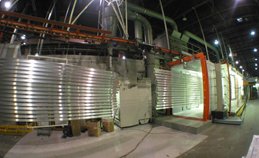
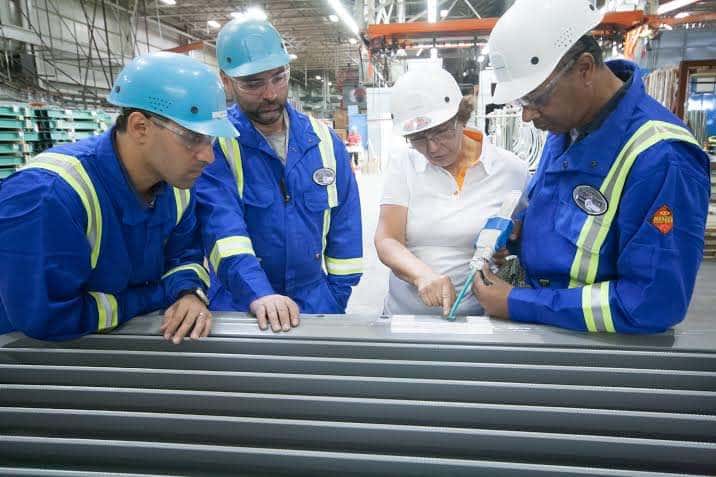
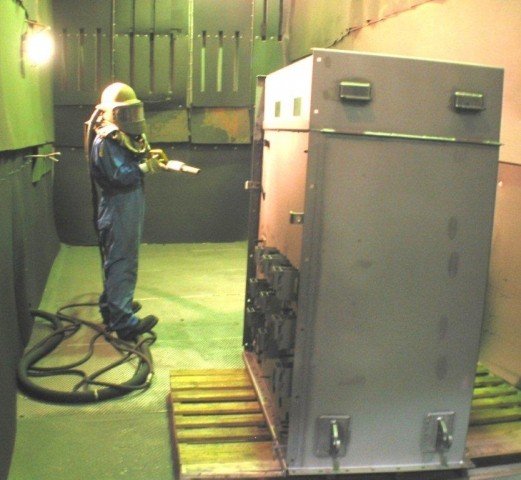
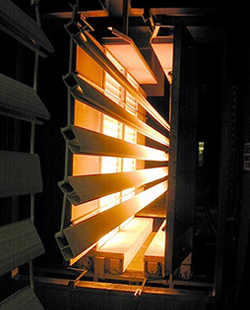
ACL distinguishes itself through its superior pretreatment processes and advanced application equipment. This ensures uniform coating and high-quality finishes that are unmatched in the industry. One of the standout features of ACL’s offerings is the use of a chrome-free architectural certified pretreatment. This process not only aligns with contemporary environmental standards but also enhances the adhesion and durability of the coatings applied.
Chrome-Free Solutions
The transition to chrome-free pretreatments is significant in the architectural coating industry. Traditionally, chrome-based treatments were used to improve corrosion resistance, but their environmental and health risks have led to a shift toward safer alternatives. ACL’s proprietary pretreatment processes enhance the lifecycle of coated products without the drawbacks associated with chrome. This commitment to sustainability not only meets regulatory requirements but also positions ACL as a leader in environmentally conscious architectural solutions.
Longevity and Maintenance
One of the hallmarks of ACL’s coating technology is the extended lifecycle of its products. By utilizing high-quality materials, including polyesters, urethanes, Kynar, and fluorocarbons, ACL ensures that its coatings withstand the test of time. The longevity of these coatings translates into reduced maintenance costs, making them a cost-effective solution for architects and builders.
Proof of Concept: A Case Study
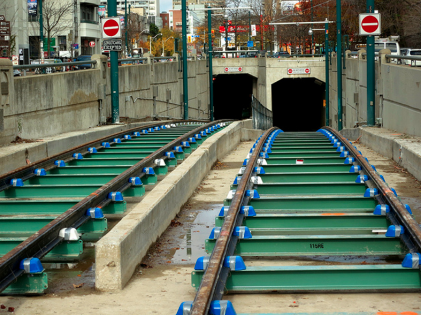
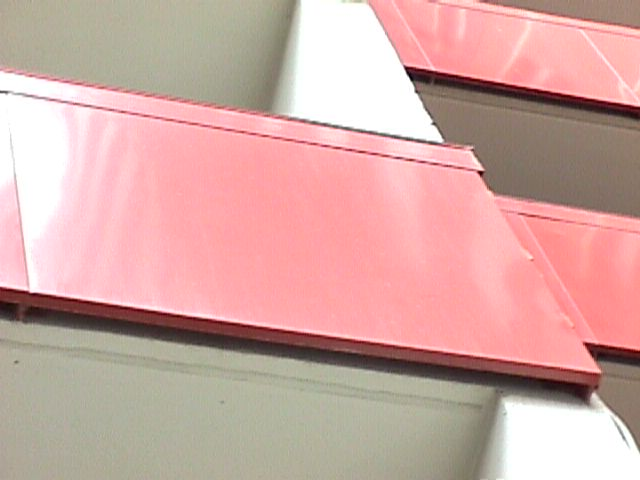
A notable example of ACL’s success is a project initiated in 1998, which has been in service for over 23 years. This project has demonstrated exceptional performance, with no peeling and excellent gloss and color retention. Such evidence not only showcases the durability of ACL’s coatings but also highlights the long-term value that can be achieved through proper material selection and application techniques.
Environmental Considerations
The architectural industry faces increasing scrutiny regarding its environmental impact. As a result, companies are adopting practices that minimize waste and reduce their carbon footprint. ACL’s commitment to using products with a longer life cycle contributes to this goal. When products last longer, the demand for replacements decreases, resulting in lower production and energy consumption.
The Environmental Footprint
A longer lifecycle not only lessens the environmental burden associated with manufacturing but also aligns with the broader goals of sustainability in architecture. By reducing the frequency of replacement, ACL’s coatings contribute to a more sustainable construction ecosystem. This is particularly important as the industry seeks to address climate change and other environmental challenges.
Advanced Coating Techniques
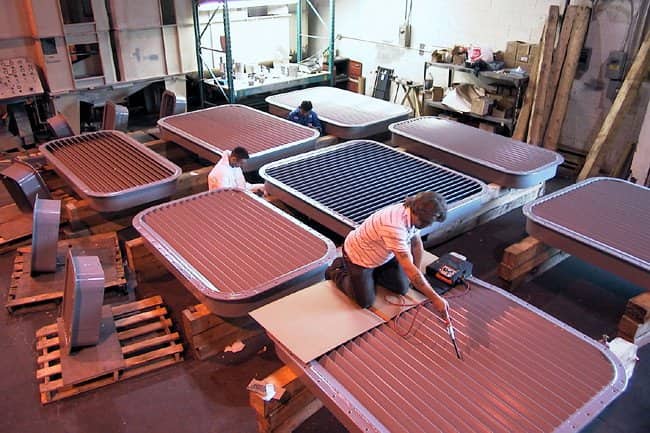
ACL’s success is not merely attributed to the quality of its coatings but also to its innovative application techniques. The use of automated coating processes enhances precision and consistency, ensuring that every coated product meets the highest standards. This technological edge allows ACL to serve high-end architectural projects, where detail and finish are crucial.
Size Capabilities
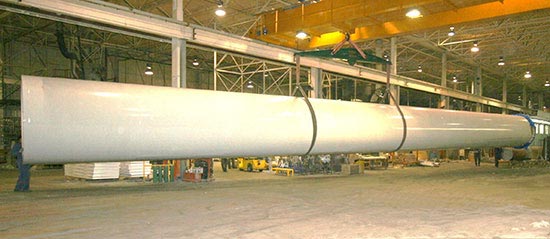
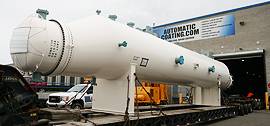
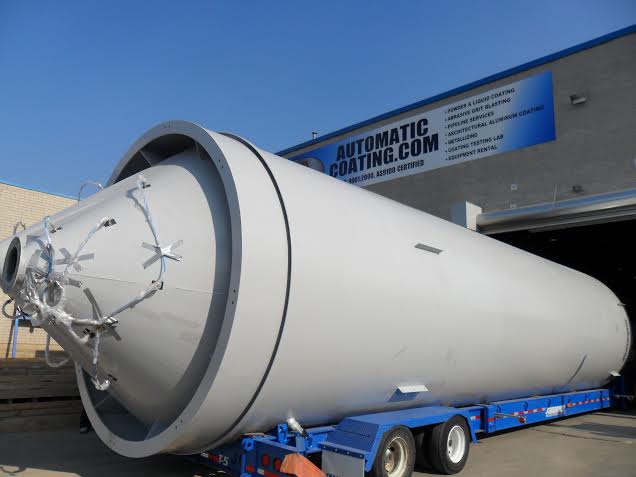
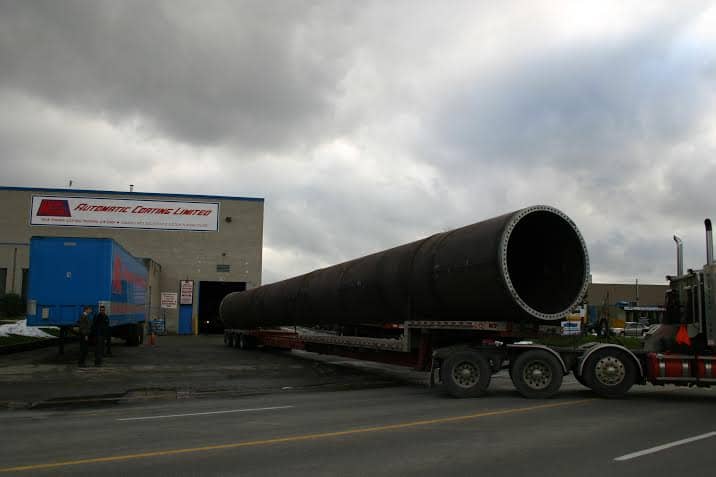
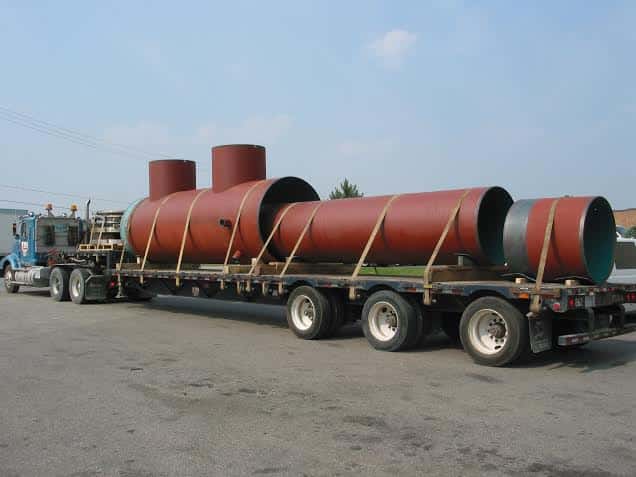
Another advantage of ACL is its capacity to coat large components, with the ability to handle sizes up to 30 feet in length. This capability is particularly valuable for modern architectural designs that often incorporate larger structural elements. The ability to provide a uniform finish on sizable components simplifies the logistics of large-scale projects and ensures a cohesive aesthetic.
As the architectural industry continues to evolve, the importance of high-quality coatings cannot be overstated. Companies like ACL are leading the charge in providing innovative, environmentally friendly solutions that meet the demands of modern architecture. Through advanced pretreatment processes, durable materials, and a commitment to sustainability, ACL is setting new standards for architectural coatings. The long-lasting performance of its products, demonstrated through successful case studies, positions ACL as a trusted partner in the architectural industry.
The future of architectural coatings looks promising, with continued advancements in technology and materials driving innovation. As architects and builders increasingly prioritize sustainability and aesthetics, the role of high-quality coatings will undoubtedly grow, making companies like ACL integral to the success of contemporary architectural projects.
Back